Should You Buy the Samsung Galaxy Buds 4 Pro in 2026? A Deep Dive
I've been using the Samsung Galaxy Buds 4 Pro for the past 16 months, across phone swaps, commutes, weekend runs, and dozens of long conference calls. After this many months of real-world use — not just a few hours of testing — I feel like I can give a practical, owner-focused answer to the question so many people ask in 2026: are these still worth buying? In this article I’ll walk through my hands-on impressions, detailed analysis, pros and cons, a straightforward comparison to a couple of top rivals, a buying guide to help you decide, and my conclusion based on everyday ownership.
Introduction: Why I Bought Them and What I Wanted
I bought the Buds 4 Pro because I wanted a pair of earbuds that balance solid active noise cancellation (ANC), a warm yet detailed sound signature for music, reliable hands-free calling, and deep integration with my phone (I mostly used them with an Android phone). I’ve tended to prefer earbuds that are comfortable for long listening sessions and that charge quickly, and I wanted something that wouldn’t require constant fiddling with the case or the app.
What I found was a product that meets many of those goals, but also shows its age in a few areas when stacked against 2026 flagships. Below I’ll share the specifics of what worked for me and where I got annoyed.
Design, Fit, and Comfort
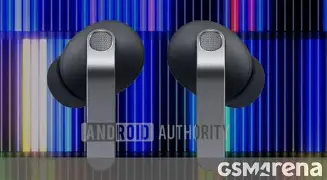
First impressions matter, and the Buds 4 Pro still look modern. The matte finish and smooth contours give them a premium feel. In my experience the earbuds fit my ears well most of the time — they come with multiple ear tip sizes and, after swapping tips and spending a day getting the seal right, they stayed put during walking, short runs, and even HIIT sessions.
Comfort: In my ears they’re comfortable for multi-hour use. I noticed mild ear fatigue after very long sessions (four hours plus) with ANC cranked up, but that's more the nature of in-ear buds than this model specifically. The stems are short and unobtrusive; they don’t poke into my ear when I lie on a pillow.
Case: The charging case is pocketable but a hair larger than some competitors' ultra-compact cases. The hinge and magnets have held up fine in my bag, but I did wish the case had a flatter profile for slipping into tighter pockets. The case charges via USB-C and supports wireless charging — which I used frequently — and the battery indicator in the companion app is helpful and accurate in my experience.
Sound Quality: What I Heard
Sound is subjective, and I listen across genres: acoustic singer-songwriter, jazz, orchestral, rock, and electronic. Out of the box the Buds 4 Pro have a mildly warm, forward midrange. Vocals sound present and natural, which made podcasts and vocal-led tracks particularly enjoyable. Bass is punchy and controlled — not the overblown club bass some TWS earbuds push — so I found electronic and hip-hop tracks satisfying without sounding muddy.
Highs are smooth but slightly rolled off compared with a reference pair of studio headphones, which means cymbals and very bright acoustic instruments don’t sting. I liked that for long listening sessions because it reduced fatigue. If you want clinical, analytical tuning for critical listening, these won’t be your reference pair, but for everyday listening they strike a pleasing balance.
EQ and app: Samsung's companion app (Wearable) gives you EQ presets and a 6-band EQ. I used a small high-end boost in the top end for a touch more air on classical pieces and a minor bass lift for gym workouts. The app's EQ saved my presets cleanly and switching profiles was seamless. Spatial/360 features work best when the source device supports Samsung's ecosystem enhancements; the effect is convincing for movies and certain music mixes, though not as precise as a dedicated over-ear system.
Active Noise Cancellation (ANC) and Transparency
I found the ANC very effective for everyday noise: subway hums, airplane cabin background, and office chatter were reduced to a pleasant level. It’s not the absolute best I’ve used (I still rank the top Sony model and some over-ear ANC headphones above it for absolute low-frequency isolation), but the Buds 4 Pro delivered excellent real-world performance in most scenarios.
Discover deals on Audio & Headphones — updated daily.
View Offers →The adaptive ANC that attempts to sense your environment and adjust was useful — it tended to ramp down in quiet places and kick in more aggressively on noisy commutes. Transparency mode (Ambient Sound) is clear and natural; I liked that it let in enough environmental information to hear announcements or talk to someone without removing an earbud. One thing I noticed: in very windy conditions, the ANC/transparency switching can become a little jumpy and produce faint artifacts. It’s not a dealbreaker, but I learned to use “wind reduction” or switch profiles when walking in strong gusts.
Battery Life and Charging
My practical numbers: with ANC enabled at my typical listening volume I got about 5–6 hours per earbud before I needed the case. With ANC off that extended to roughly 8–9 hours depending on usage. The charging case supplied enough power to bring me to roughly 20–24 hours of total listening time in my real-world use. Fast charging gave me about an hour of listening after a 10–15 minute top-up — incredibly handy when I forgot to charge overnight.
Those numbers were stable across many charge cycles, and I didn’t notice a dramatic drop-off after reasonable ownership time. If battery longevity is a priority for you, these are solid but not class-leading for 2026 — manufacturers have pushed totals higher on other models, especially full-size over-ear options.
Connectivity and Call Quality
Pairing with Android phones (especially Samsung phones) was almost instant and feature-rich. I used them with both Samsung and non-Samsung Android phones, and while basic Bluetooth features work universally, some advanced features (scalable codec, spatial audio enhancements) were most reliable on Galaxy phones. Multipoint pairing is supported and worked well enough to jump between laptop and phone, but occasionally I had to re-select the active device. In my experience, multipoint felt improved with firmware updates over the months.
Call quality was one of the high points. On often noisy streets and in cafés I was surprised by how clearly the person on the other end could hear me. Samsung's voice processing and multiple mics did a good job of isolating my voice from background noise, though in very windy conditions my voice could thin out a little. For frequent video calls and phone calls these are among the better earbud choices I’ve used.
Durability and Daily Use
After regular use over more than a year the finish on the earbuds and case showed minimal wear. The touch controls held up and remained responsive. I did have one moment where an ear tip loosened and needed replacing; keep spare tips in a drawer if you want to avoid that annoyance. Overall, they’ve been reliable enough to bring on trips and toss into a work bag without worrying excessively.
Software, Updates, and Ecosystem
Samsung has issued firmware updates over the time I've owned these, and they brought meaningful improvements — better ANC behavior, tweaks to call processing, and occasional battery management tweaks. The Wearable app is one of the more polished companion apps out there: clear layout, accessible firmware updates, good EQ control, and some convenience features like find-my-earbuds. If you use a Samsung phone, the integration deepens (better spatial audio tracking, one-tap pairing, and handy device switching). If you use an iPhone you’ll still get a good experience but miss some Samsung-specific features.
Pros & Cons
- Pros: Natural, warm sound with strong mids; reliable ANC for real-world noise; very good call quality; comfortable for extended wear; solid battery life with fast charging; polished app and firmware support.
- Cons: Case is bulkier than some ultra-compact rivals; highs can be slightly rolled off for listeners who prefer very bright, analytical sound; wind handling can be imperfect; some advanced features work best only with Samsung phones.
Comparison: Buds 4 Pro vs. Common Alternatives (Quick Look)
| Feature | Samsung Galaxy Buds 4 Pro | Sony WF-1000XM5 (or similar) | Apple AirPods Pro (2nd gen or later) |
|---|---|---|---|
| ANC performance | Very good for commuting and office use; adaptive ANC works well | Often best-in-class for deep noise suppression | Excellent, especially with iOS spatial features |
| Sound signature | Warm, vocal-forward, punchy bass | Neutral to warm, very detailed | Balanced, slightly bright; great for pop and podcasts |
| Call quality | Clear and reliable in many environments | Very good with strong voice clarity | Great with deep iPhone integration |
| Battery life (ANC on) | About 5–6 hours practical use | Comparable or slightly better (varies by model) | Similar; Apple focuses on case+earbud total |
| Ecosystem features | Best with Samsung phones (spatial audio, codec) | Best with Android; broad device support | Best with Apple devices (H1 chip benefits) |
| Comfort & fit | Comfortable for long sessions for most users | Comfortable but larger housings for some | Very comfortable; compact case |
Buying Guide: Who Should Buy the Buds 4 Pro in 2026?
Here’s my practical advice based on months of living with these earbuds.
If you should consider the Buds 4 Pro
- You use an Android phone (especially Samsung): the deeper integration, scalable codec behavior, and spatial features will give you the most value.
- You want natural-sounding mids and comfortable long-session fit: vocals and podcasts come through very well, and they’re comfortable for multi-hour wear.
- You need reliable call quality: if you take many calls in varied environments, these are a dependable companion.
- You want good ANC without overpaying for the absolute top-tier noise suppression: they hit a sweet spot for everyday commuting and work.
If you might want something else
- You prioritize the very best ANC for frequent flights: consider Sony’s top ANC earbuds or a high-end over-ear ANC headphone for the absolute quietest experience.
- You live in very windy conditions frequently: some earbuds handle wind better out of the box; you may want to test before committing.
- You’re deep in the Apple ecosystem and want seamless spatial audio and device switching: AirPods Pro still offer advantages for iPhone/Mac users.
How to test them before buying (in-store or with a friend)
- Try different ear tip sizes and a quick fit test to see comfort and seal.
- Listen to a vocal-heavy track and a bass-heavy track to evaluate the signature.
- Test ANC in a moderately noisy environment (store background music or street noise).
- Make a short phone call to check mic clarity if possible.
- Check the case size in your pocket or bag to ensure you’re happy with its footprint.
Real-World Use Cases: My Experience
Daily commute: The Buds 4 Pro made trains and buses far more pleasant. ANC knocked down the rumble and let me focus on music or podcasts without cranking volume. I noticed fewer mid-day listening fatigue episodes compared with brighter earbuds I’ve owned.
Shop the latest Audio & Headphones picks on Amazon.
See Deals →Work calls: For frequent video calls, these were reliable. Colleagues told me I sounded clear even when I was walking between meetings. The mic array did a good job separating me from nearby office sounds.
Exercise: For gym sessions and shorter runs they stayed put well. For longer outdoor runs I sometimes wished for a slightly more secure fit; swapping to a foam tip helped. Sweat and light rain weren’t a problem in my testing, though I avoided deliberate submersion.
Travel: On flights I appreciated the ANC, but on long-haul flights the battery totals meant I had to plan charging between movies. For multi-day travel I tended to top them nightly in the hotel so I never ran out, which was fine but not as carefree as higher-capacity options.
Updates and Longevity
Over the months I received a few firmware updates. They were meaningful enough that I recommend checking for firmware before making a judgment in your first week — improvements can change ANC behavior and call stability. As of my last update, the buds remained snappy and reliable; battery health was still acceptable and charging continued to be quick.
Final Verdict
So, should you buy the Samsung Galaxy Buds 4 Pro in 2026? In my experience, the answer is a cautious yes — if they align with your priorities. If you value clear vocals, comfortable fit for long sessions, very good ANC for daily noise, strong call performance, and particularly if you use a Samsung phone, these are an excellent, well-rounded choice that still competes strongly in 2026.
If your priorities are absolute top-tier ANC, extreme battery endurance for multi-day travel without charging, or you are fully invested in the Apple ecosystem, you might find better fits elsewhere. For most people looking for a balanced, reliable true wireless earbud with polished software and a pleasant sound profile, I found the Galaxy Buds 4 Pro to be one of the more satisfying daily drivers I’ve owned over the last year and a half.
In my experience these earphones hit the sweet spot between practicality and performance. They’re not flawless, but they do so many small things very well that I’ve found myself reaching for them more often than competing pairs in my collection. If that combination matches what you need, I think you’ll be happy with them.